Guatemala: El Limon, San Ramon
Guatemala: San Patricio El Limón, San Ramon, Washed
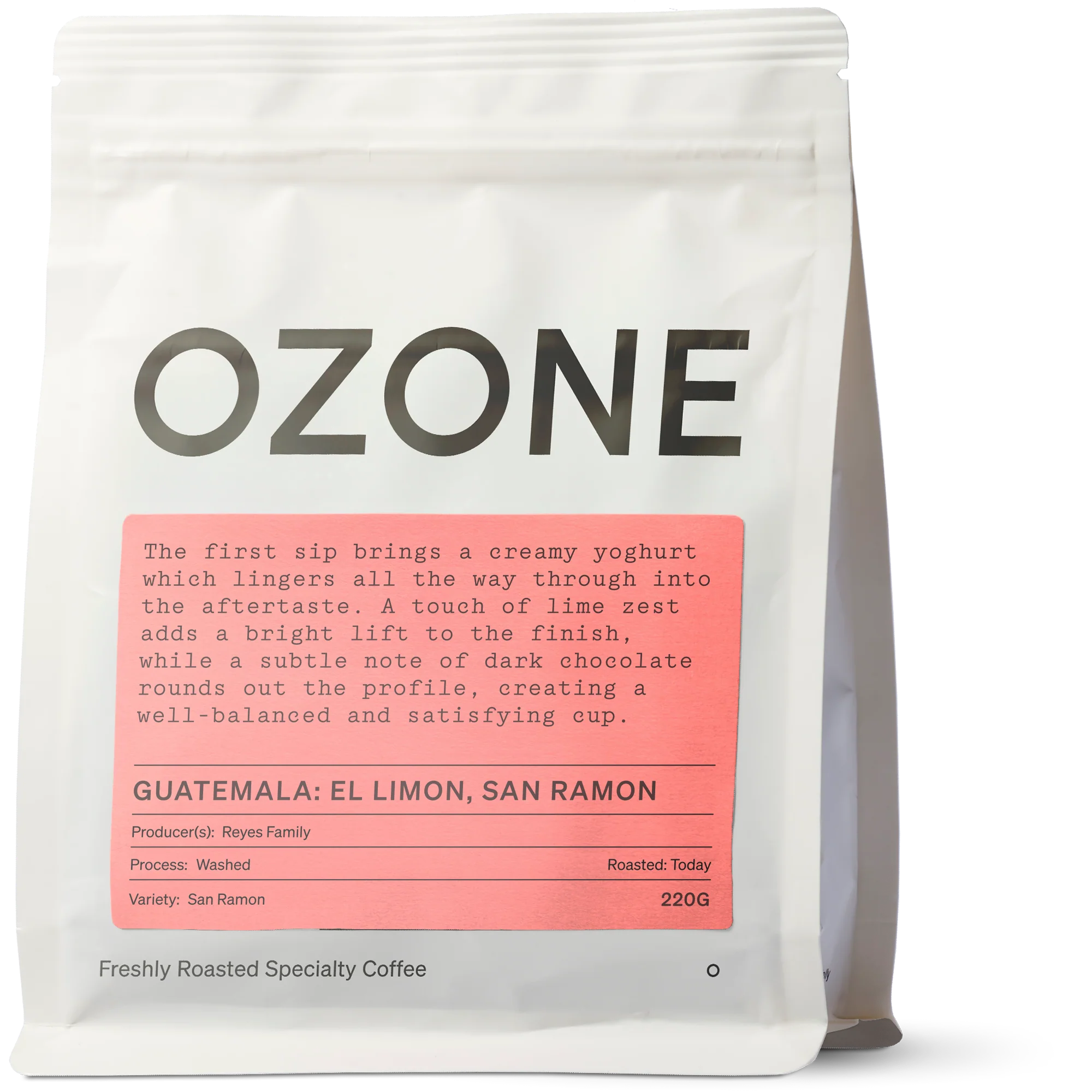
The first sip brings a creamy yoghurt which lingers all the way through into the aftertaste. A touch of lime zest adds a bright lift to the finish, while a subtle note of dark chocolate rounds out the profile, creating a well-balanced and satisfying cup.
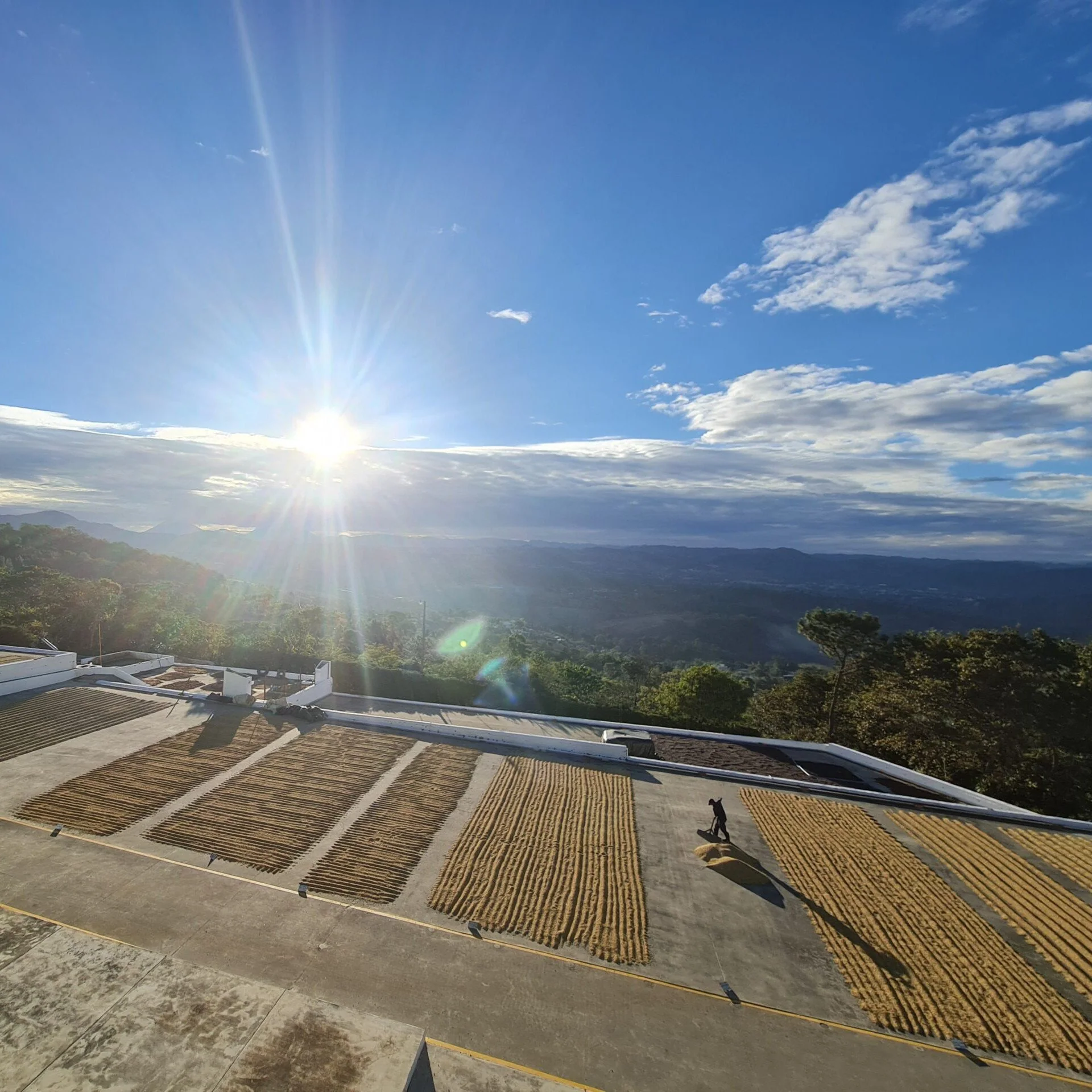
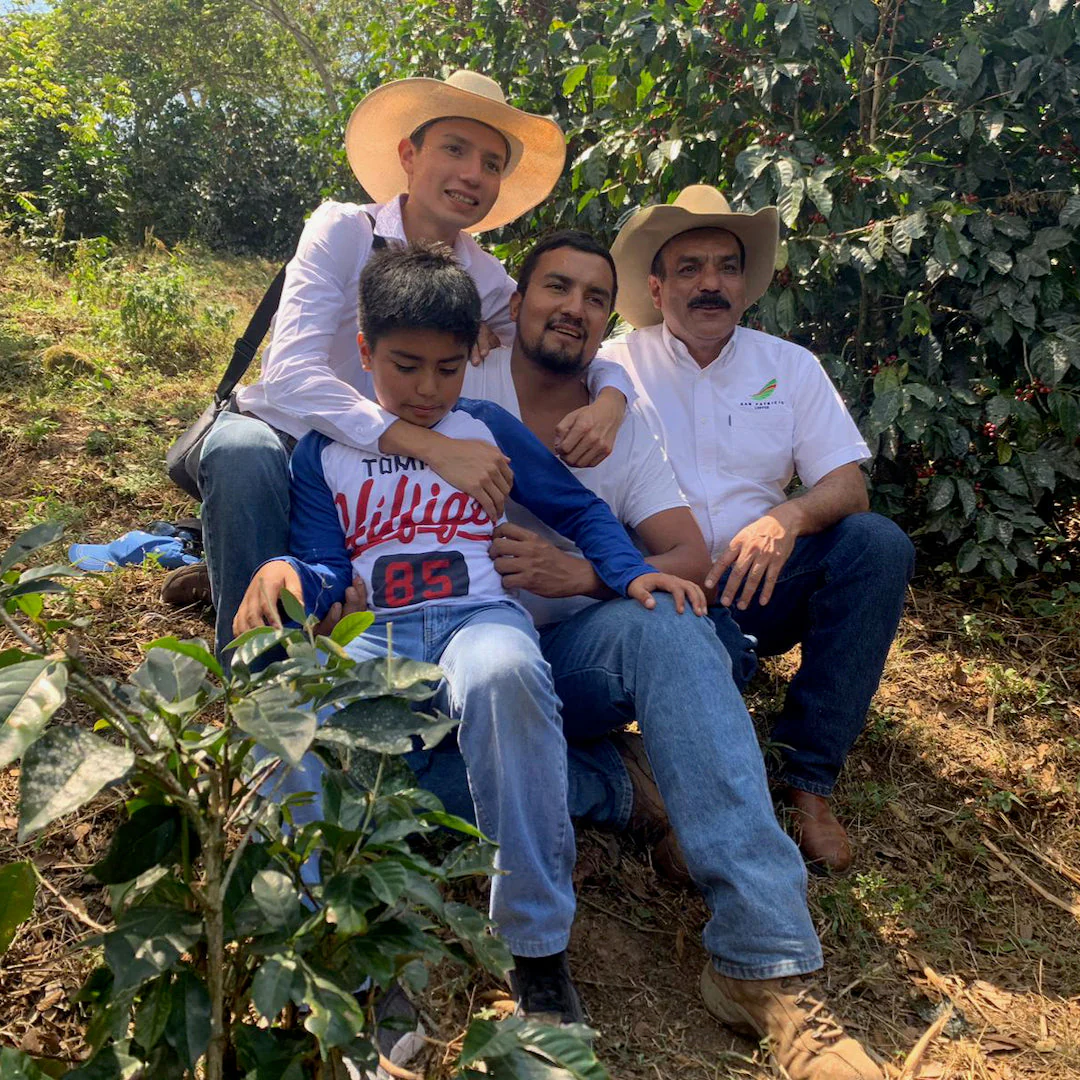
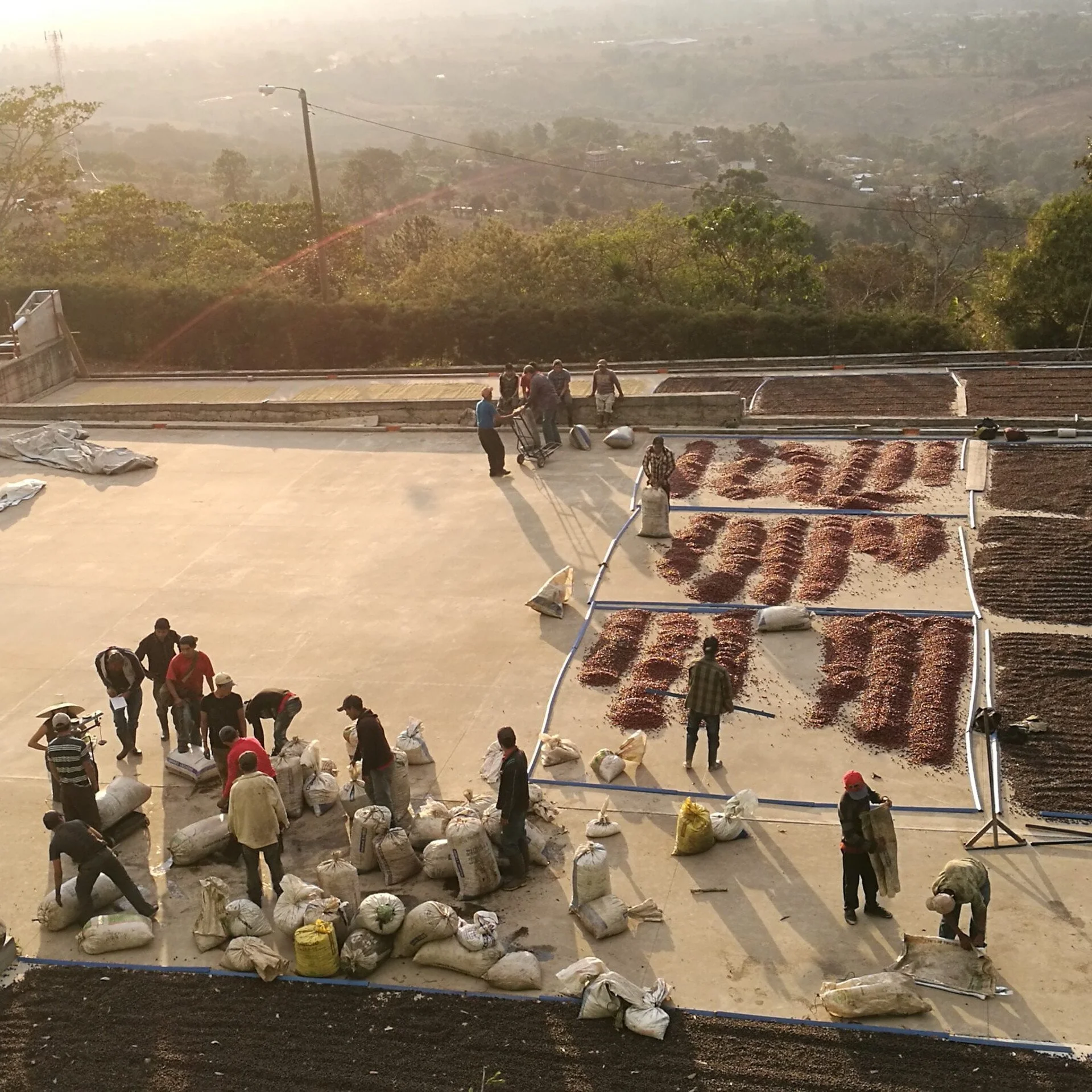
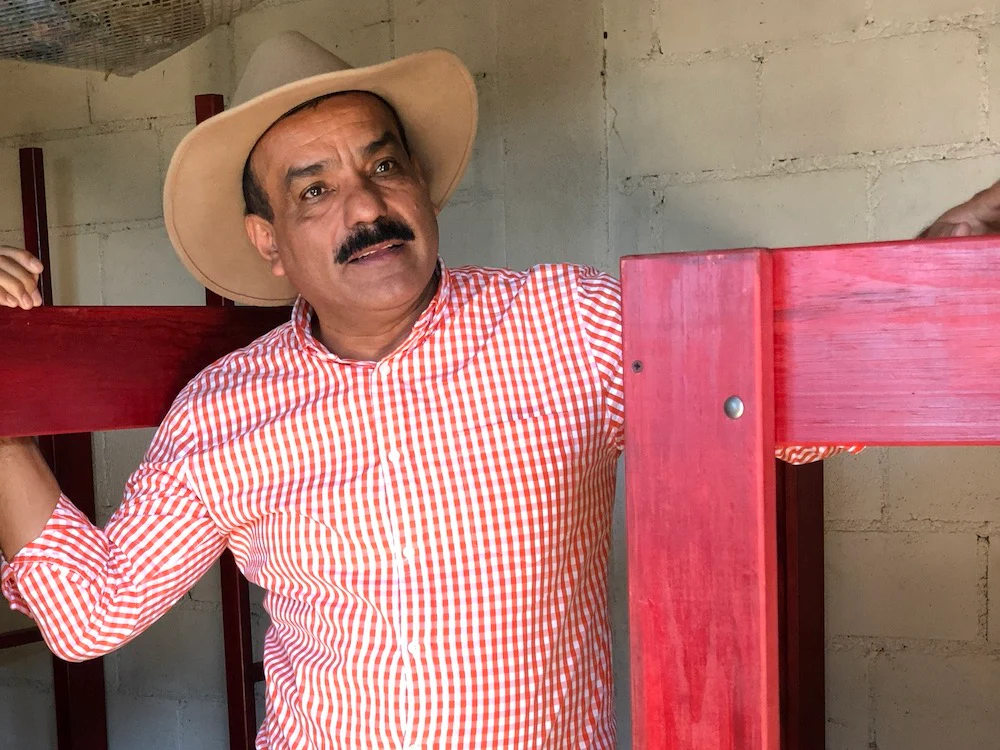
Tucked into the rolling hills of Palencia, just a short drive east of Guatemala City, lies San Patricio El Limón – a coffee farm that's as much about family and community as it is about exceptional coffee. Owned and operated since the late 1990s by Guadalupe "Beto" Reyes and his family, this farm is a shining example of what happens when passion, innovation, and collaboration come together. Beto's approach to coffee is rooted in care and curiosity. A desire to experiment is one of the big reasons that we love buying from San Patricio El Limón; we've been getting coffee from them since first introduced seven years ago by our mutual friend Raul Rodas (2012 World Barista Champion), and they're just getting more awesome each year.
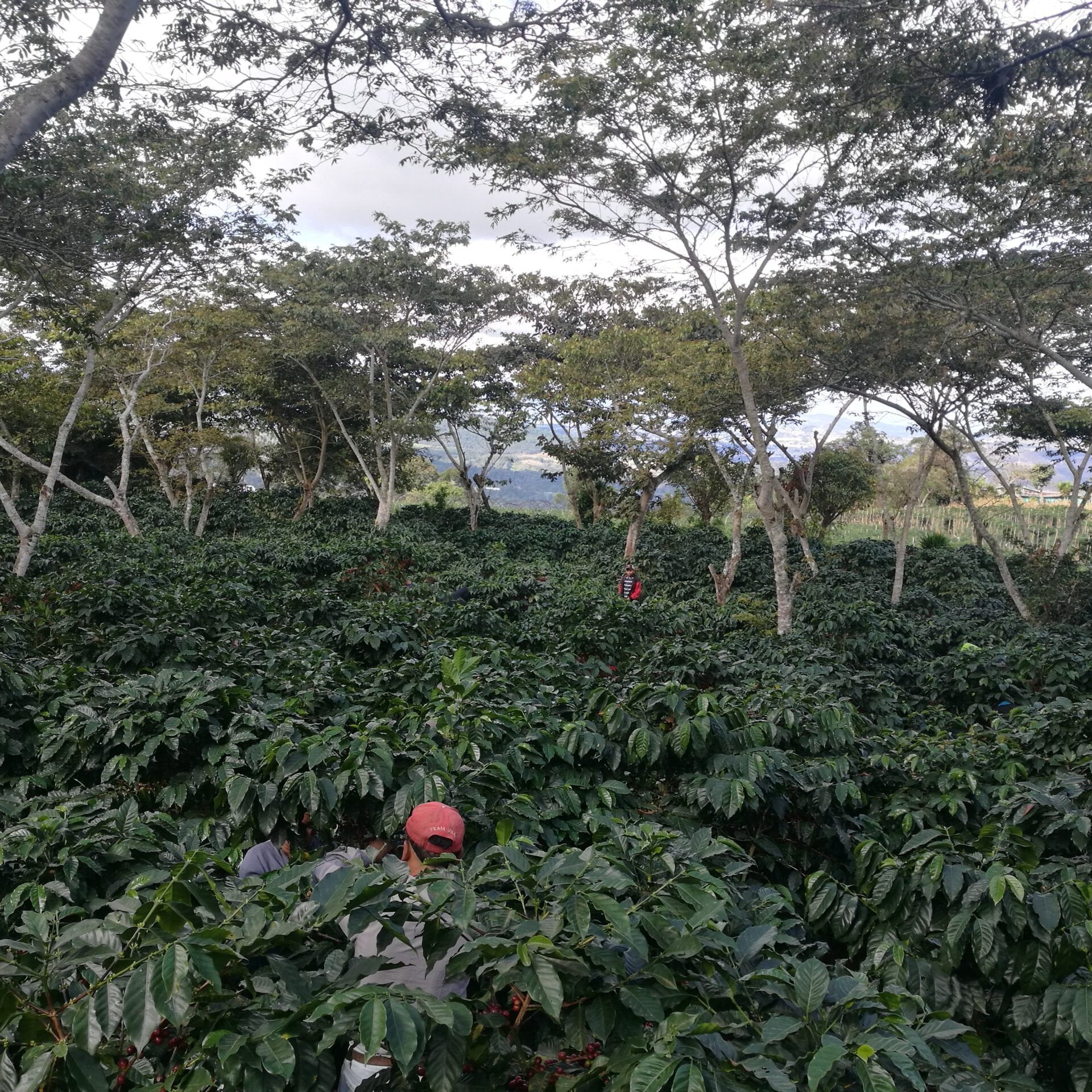
El Limón is eighteen hectares in size and sits at an altitude between 1,350 to 1,850 metres above sea level. The farm mainly produces Caturra and Bourbon but has also started growing an impressive roster of varieties: SL28, H1, H3, Maracaturra, Maragogype, Geisha, Pacamaras, and Catuaí (yellow and red). This particular lot showcases San Ramon, a varietal that deserves its moment in the spotlight.
Here's the thing about San Ramon: it's a natural mutation of Bourbon that was first spotted in Costa Rica back in the 1940s. What makes it distinctive is its compact growth habit – the internodes (the spaces between branches on the plant) are significantly shorter than typical Bourbon, giving it a dwarfed, bushy appearance. This characteristic earned it the nickname "dwarf Bourbon" and made it particularly popular for a time because more plants could fit into the same space, theoretically increasing yield per hectare.
But San Ramon fell out of favour as newer, higher-yielding varieties came along. It's relatively rare to find these days, which makes Beto's decision to grow it all the more interesting. The variety produces a delicate, refined cup with excellent acidity – qualities that shine through in this washed lot, where the processing method highlights the inherent sweetness and clarity that San Ramon can offer when grown at altitude.
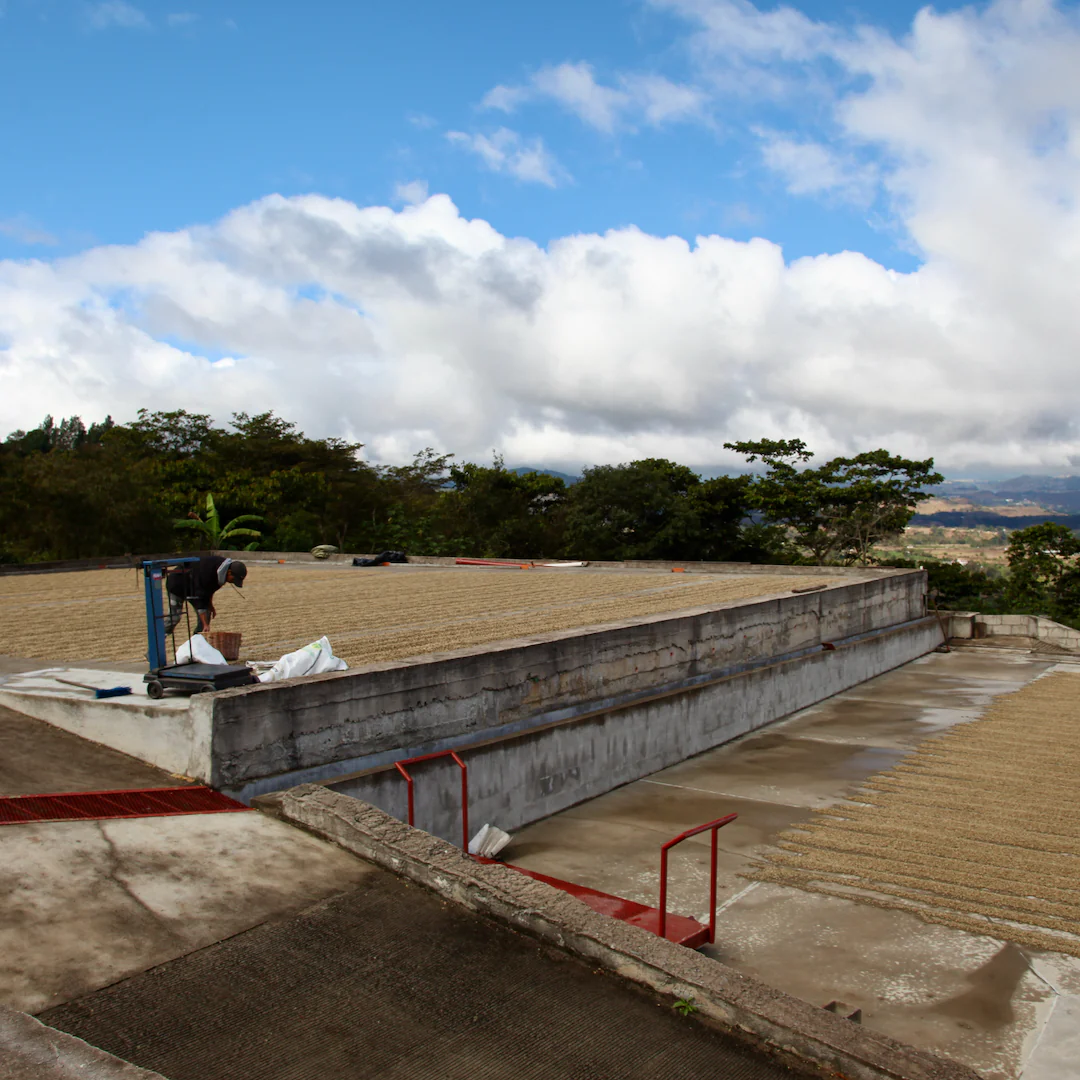
The Reyes family has invested heavily in infrastructure over the years: rebuilding the wet mill, adding a QC lab, constructing a new warehouse, and even building accommodations for workers. They've also built around eight water reservoirs across the entire farm to preserve this vital resource and help ensure the farm's sustainability.
The farm is located roughly an hour's drive east of Guatemala City in the small town of Palencia, which Beto also happens to be Mayor of. He has helped to build and develop the town alongside running his farm – honestly have no idea how he finds enough hours in the day. What a guy.
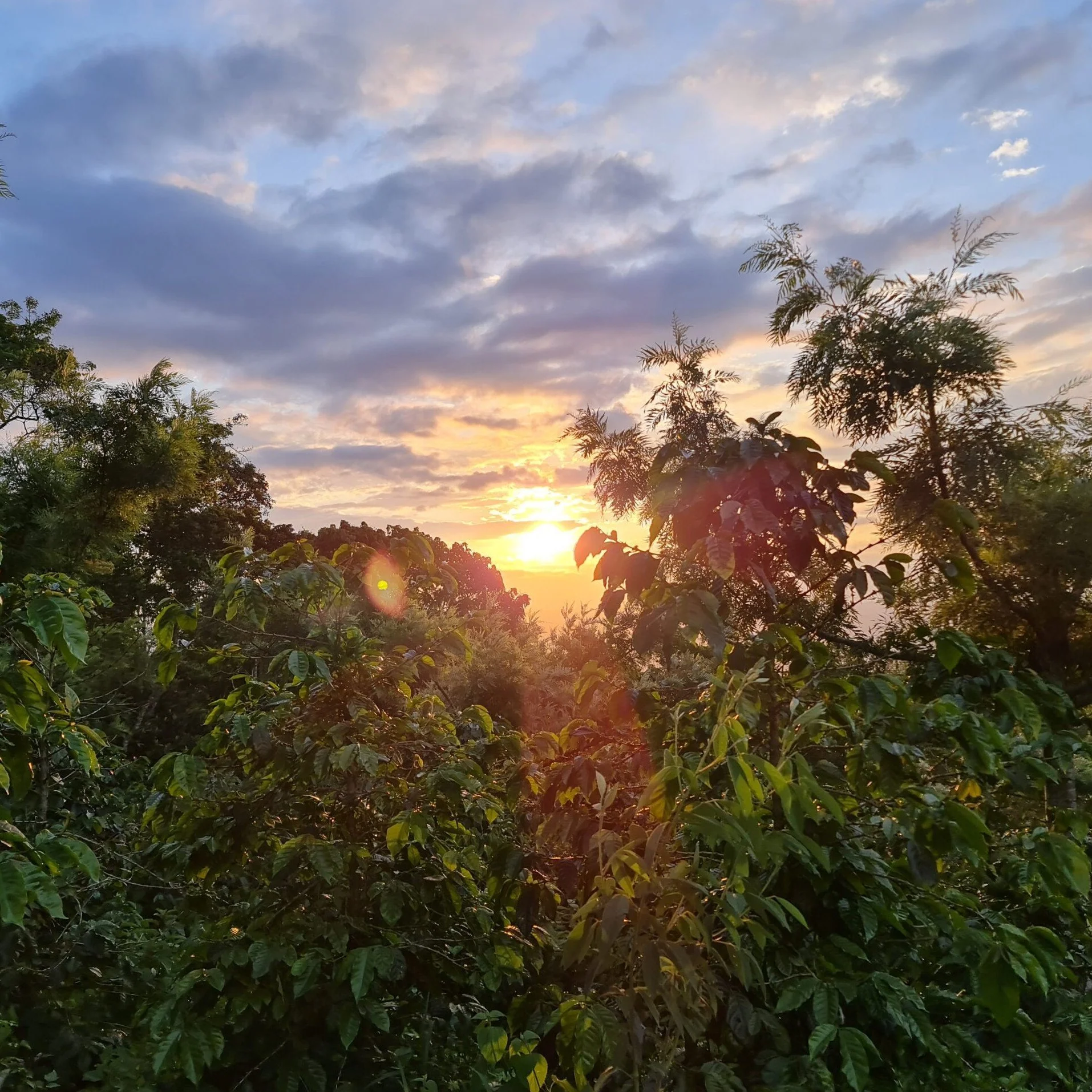
Palencia isn't one of the country's eight officially recognised coffee-growing regions, and names like Antigua, Huehuetenango, and Cobán tend to dominate the conversation, but Palencia is quietly carving out its own identity. This is thanks in large part to the work of the Reyes family. With its high altitudes, volcanic soil, and temperate climate, Palencia has all the natural ingredients for producing exceptional coffee. What it lacks in historical recognition, it makes up for in innovation and community spirit – and coffees like this San Ramon lot are proof of what's possible when you combine great terroir with genuine dedication to quality.
Traceability
- Country: Guatemala
- Region: Palencia
- Farm: San Patricio El Limón
- Farmer: Guadalupe Alberto 'Beto' Reyes Aguilar
- Altitude: 1,350-1,850 m.a.s.l.
- Farm size: 9 hectares
- Varietal: San Ramon
- Processing method: Washed
Roast Information
Medium Dark
This coffee gets taken to a medium-dark roast, which means we're looking for a nice, steady pace through first crack and through the gap before finishing just as we reach second crack.
What does that actually mean? First crack is the moment when the beans reach around 196°C and the moisture inside them rapidly expands, causing an audible popping sound - a bit like popcorn. It's a key milestone in roasting where the beans are transitioning from having grassy, underdeveloped flavours into something recognisably coffee-like. The "gap" is the quieter period that follows, where the beans continue to develop but aren't yet approaching second crack (which happens around 224°C, when the cellular structure of the bean itself begins to fracture).
By maintaining a steady, controlled pace through this phase and stopping just as second crack begins, we're aiming for a roast that develops the body and sweetness of the San Ramon varietal while preserving its inherent brightness and clarity. Go too fast and you risk baking the coffee, losing complexity. Stop too early and you might miss out on that creamy yoghurt texture and dark chocolate note. Stop too late and the acidity, that lovely lime zest lift, starts to fade. It's all about finding the sweet spot where the coffee's natural characteristics are fully expressed without being overwhelmed by roast character.
Cupping Scores
Tasting notes: Yoghurt, lime zest, dark chocolate.
Cup of Excellence Cupping Scores
- Clean cup: (1–8): 6
- Sweetness: (1–8): 6.5
- Acidity: (1–8): 6.5
- Mouthfeel: (1–8): 6
- Flavour: (1–8): 6.5
- Aftertaste: (1–8): 6
- Balance: (1–8): 6.5
- Overall: (1–8): 6
- Correction: (+36): +36
- Total: (max. 100): 86
If you would like to find out more about how we score coffees, make sure to read our blog post "What Do Coffee Cuppings Scores Actually Mean?" by clicking here.
Recommended Resting Time
Our coffee is roasted fresh and ships quickly – which means it might arrive a little lively. Here's the thing: freshly roasted beans are still busy releasing carbon dioxide (a natural byproduct of roasting), and all that activity can make your brew taste a bit sharp or unsettled.
Give it a few days to calm down and something lovely happens. Those brighter, edgier notes mellow out, sweetness develops, and the flavours you're actually after can really come into focus.
We recommend resting your coffee for at least 5-7 days from the roast date on the bag before brewing. A little patience goes a long way.
That said, this is just what we've found works best – not a rule. If you can't wait, we completely understand. Tuck in whenever you like.
Original: $11.28
-70%$11.28
$3.38Product Information
Product Information
Shipping & Returns
Shipping & Returns
Description
Guatemala: San Patricio El Limón, San Ramon, Washed
The first sip brings a creamy yoghurt which lingers all the way through into the aftertaste. A touch of lime zest adds a bright lift to the finish, while a subtle note of dark chocolate rounds out the profile, creating a well-balanced and satisfying cup.
Tucked into the rolling hills of Palencia, just a short drive east of Guatemala City, lies San Patricio El Limón – a coffee farm that's as much about family and community as it is about exceptional coffee. Owned and operated since the late 1990s by Guadalupe "Beto" Reyes and his family, this farm is a shining example of what happens when passion, innovation, and collaboration come together. Beto's approach to coffee is rooted in care and curiosity. A desire to experiment is one of the big reasons that we love buying from San Patricio El Limón; we've been getting coffee from them since first introduced seven years ago by our mutual friend Raul Rodas (2012 World Barista Champion), and they're just getting more awesome each year.
El Limón is eighteen hectares in size and sits at an altitude between 1,350 to 1,850 metres above sea level. The farm mainly produces Caturra and Bourbon but has also started growing an impressive roster of varieties: SL28, H1, H3, Maracaturra, Maragogype, Geisha, Pacamaras, and Catuaí (yellow and red). This particular lot showcases San Ramon, a varietal that deserves its moment in the spotlight.
Here's the thing about San Ramon: it's a natural mutation of Bourbon that was first spotted in Costa Rica back in the 1940s. What makes it distinctive is its compact growth habit – the internodes (the spaces between branches on the plant) are significantly shorter than typical Bourbon, giving it a dwarfed, bushy appearance. This characteristic earned it the nickname "dwarf Bourbon" and made it particularly popular for a time because more plants could fit into the same space, theoretically increasing yield per hectare.
But San Ramon fell out of favour as newer, higher-yielding varieties came along. It's relatively rare to find these days, which makes Beto's decision to grow it all the more interesting. The variety produces a delicate, refined cup with excellent acidity – qualities that shine through in this washed lot, where the processing method highlights the inherent sweetness and clarity that San Ramon can offer when grown at altitude.
The Reyes family has invested heavily in infrastructure over the years: rebuilding the wet mill, adding a QC lab, constructing a new warehouse, and even building accommodations for workers. They've also built around eight water reservoirs across the entire farm to preserve this vital resource and help ensure the farm's sustainability.
The farm is located roughly an hour's drive east of Guatemala City in the small town of Palencia, which Beto also happens to be Mayor of. He has helped to build and develop the town alongside running his farm – honestly have no idea how he finds enough hours in the day. What a guy.
Palencia isn't one of the country's eight officially recognised coffee-growing regions, and names like Antigua, Huehuetenango, and Cobán tend to dominate the conversation, but Palencia is quietly carving out its own identity. This is thanks in large part to the work of the Reyes family. With its high altitudes, volcanic soil, and temperate climate, Palencia has all the natural ingredients for producing exceptional coffee. What it lacks in historical recognition, it makes up for in innovation and community spirit – and coffees like this San Ramon lot are proof of what's possible when you combine great terroir with genuine dedication to quality.
Traceability
- Country: Guatemala
- Region: Palencia
- Farm: San Patricio El Limón
- Farmer: Guadalupe Alberto 'Beto' Reyes Aguilar
- Altitude: 1,350-1,850 m.a.s.l.
- Farm size: 9 hectares
- Varietal: San Ramon
- Processing method: Washed
Roast Information
Medium Dark
This coffee gets taken to a medium-dark roast, which means we're looking for a nice, steady pace through first crack and through the gap before finishing just as we reach second crack.
What does that actually mean? First crack is the moment when the beans reach around 196°C and the moisture inside them rapidly expands, causing an audible popping sound - a bit like popcorn. It's a key milestone in roasting where the beans are transitioning from having grassy, underdeveloped flavours into something recognisably coffee-like. The "gap" is the quieter period that follows, where the beans continue to develop but aren't yet approaching second crack (which happens around 224°C, when the cellular structure of the bean itself begins to fracture).
By maintaining a steady, controlled pace through this phase and stopping just as second crack begins, we're aiming for a roast that develops the body and sweetness of the San Ramon varietal while preserving its inherent brightness and clarity. Go too fast and you risk baking the coffee, losing complexity. Stop too early and you might miss out on that creamy yoghurt texture and dark chocolate note. Stop too late and the acidity, that lovely lime zest lift, starts to fade. It's all about finding the sweet spot where the coffee's natural characteristics are fully expressed without being overwhelmed by roast character.
Cupping Scores
Tasting notes: Yoghurt, lime zest, dark chocolate.
Cup of Excellence Cupping Scores
- Clean cup: (1–8): 6
- Sweetness: (1–8): 6.5
- Acidity: (1–8): 6.5
- Mouthfeel: (1–8): 6
- Flavour: (1–8): 6.5
- Aftertaste: (1–8): 6
- Balance: (1–8): 6.5
- Overall: (1–8): 6
- Correction: (+36): +36
- Total: (max. 100): 86
If you would like to find out more about how we score coffees, make sure to read our blog post "What Do Coffee Cuppings Scores Actually Mean?" by clicking here.
Recommended Resting Time
Our coffee is roasted fresh and ships quickly – which means it might arrive a little lively. Here's the thing: freshly roasted beans are still busy releasing carbon dioxide (a natural byproduct of roasting), and all that activity can make your brew taste a bit sharp or unsettled.
Give it a few days to calm down and something lovely happens. Those brighter, edgier notes mellow out, sweetness develops, and the flavours you're actually after can really come into focus.
We recommend resting your coffee for at least 5-7 days from the roast date on the bag before brewing. A little patience goes a long way.
That said, this is just what we've found works best – not a rule. If you can't wait, we completely understand. Tuck in whenever you like.