Thailand: Mae Chedi, Anaerobic Natural
Thailand: Mae Chedi, Anaerobic Natural
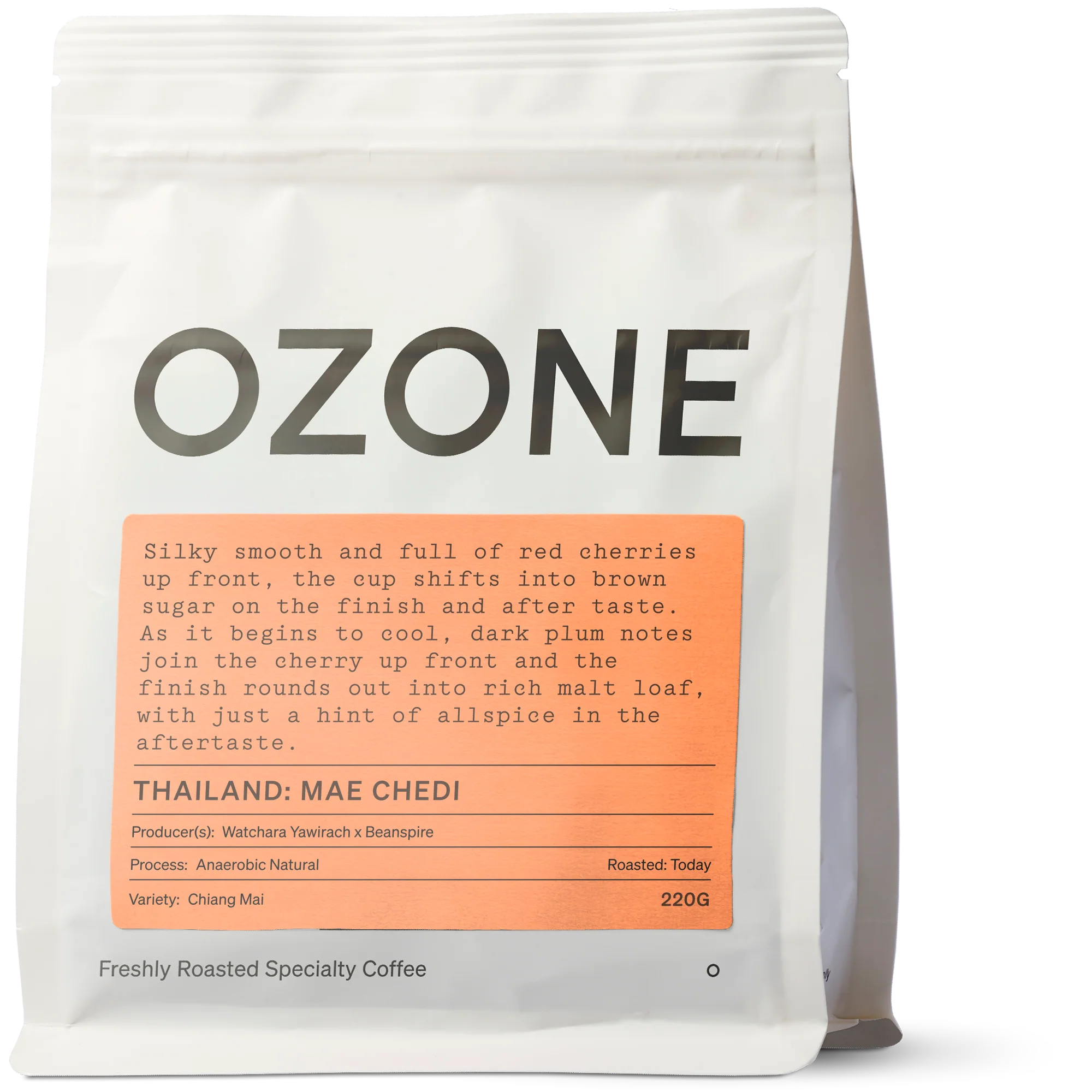
Silky smooth and full of red cherries up front, the cup shifts into brown sugar on the finish and after taste. As it begins to cool, dark plum notes join the cherry up front and the finish rounds out into rich malt loaf, with just a hint of allspice in the aftertaste.
Thailand produces around 8,000 tonnes of Arabica coffee annually, mostly in the northern regions of the country, and is the third-largest coffee producer in Asia. However, Thai specialty coffee remains rare on the global stage. That’s why we’re proud to partner with Beanspire to bring you coffees that are not only exceptional in quality but also relatively unfamiliar among UK coffee drinkers. When Fuadi Pitsuwan founded Beanspire in 2013, Thailand only exported 1% of its entire coffee production to the international market - that has risen to 10% today, thanks in part to his innovative and sustainability-driven work.
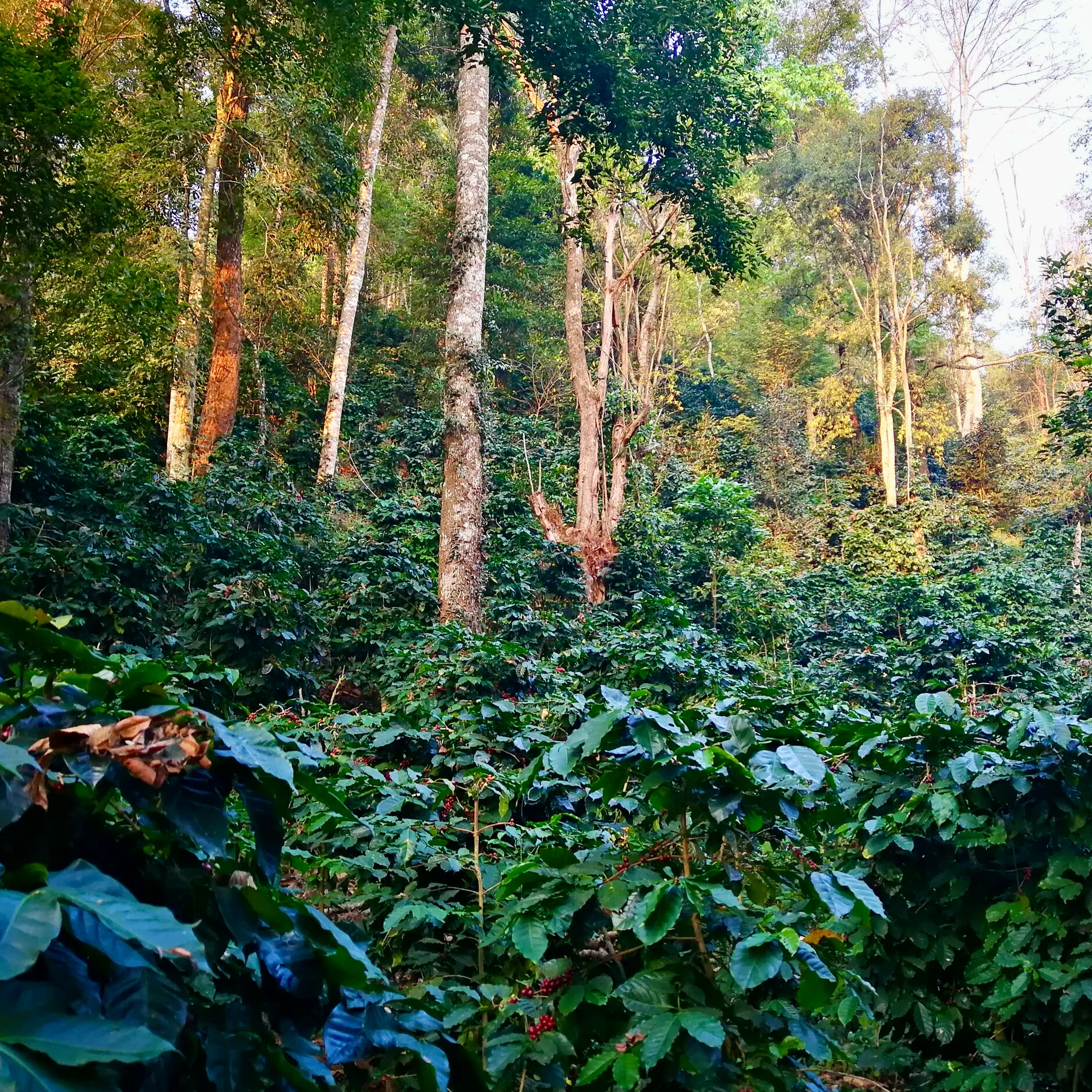
Chiang Rai is Thailand’s northernmost province, sandwiched between Laos in the east and Myanmar in the west. It forms part of the so-called Golden Triangle which, prior to the rise of agricultural production of coffee and fruit, was considered unsafe due to the prevalence of drug production and smuggling across the borders. Coffee farming in Thailand is a relatively new industry, with the first coffee trees introduced to the region in the 1970s for the opium eradication project initiated by the late King Rama IX. Successful efforts to reforest degraded land and replace illicit crops with coffee and other cultivations have led to thriving mountain farms.
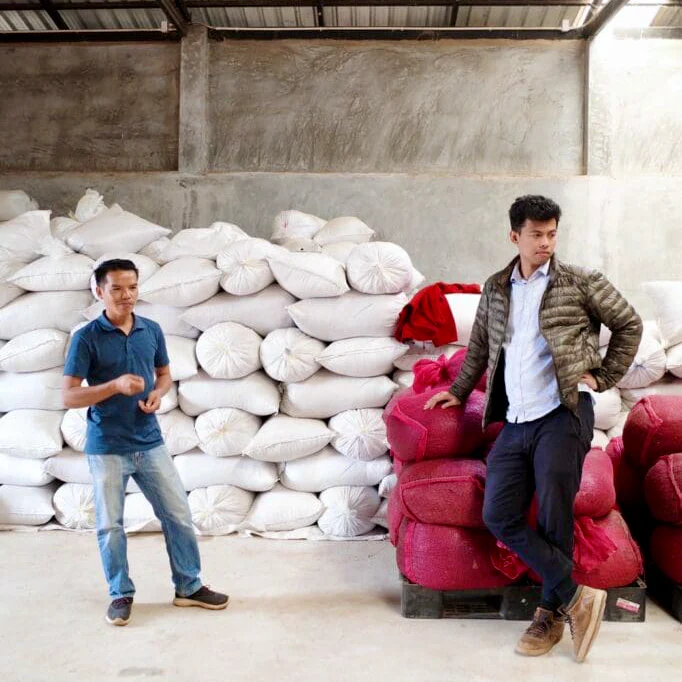
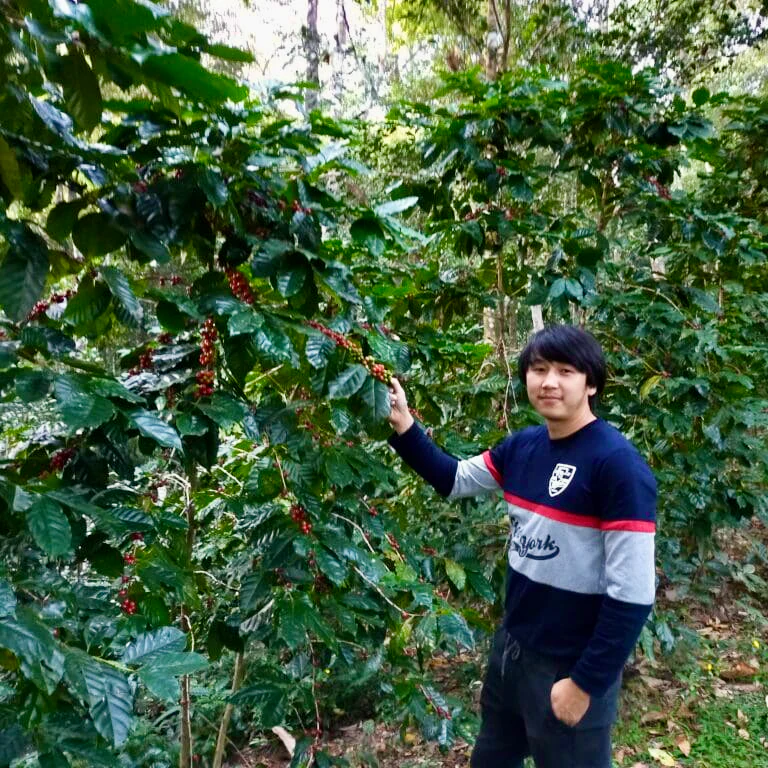
At the heart of this story is Watchara Yawirach, a 36-year-old farmer and leader of a 19-member cooperative who is pioneering a new era of Thai specialty coffee. In the recent past, the Mae Chedi region was traditionally known for tea plantations, with tea being the area’s primary cash crop. The Chiang Mai coffee varietal is a local hybrid - a cross between SL28, Caturra, and Híbrido de Timor. It is a Catimor variant (similar to Colombia and Castillo) that has been backcrossed with SL28 to improve cup quality while maintaining resistance to coffee leaf rust. This cultivar is both resilient and high-performing, capable of producing exceptional flavour when grown and processed with care. With the recent rise in demand for specialty coffee, the younger generation of farmers in Mae Chedi have recognised the potential for profitability and begun taking coffee production more seriously.
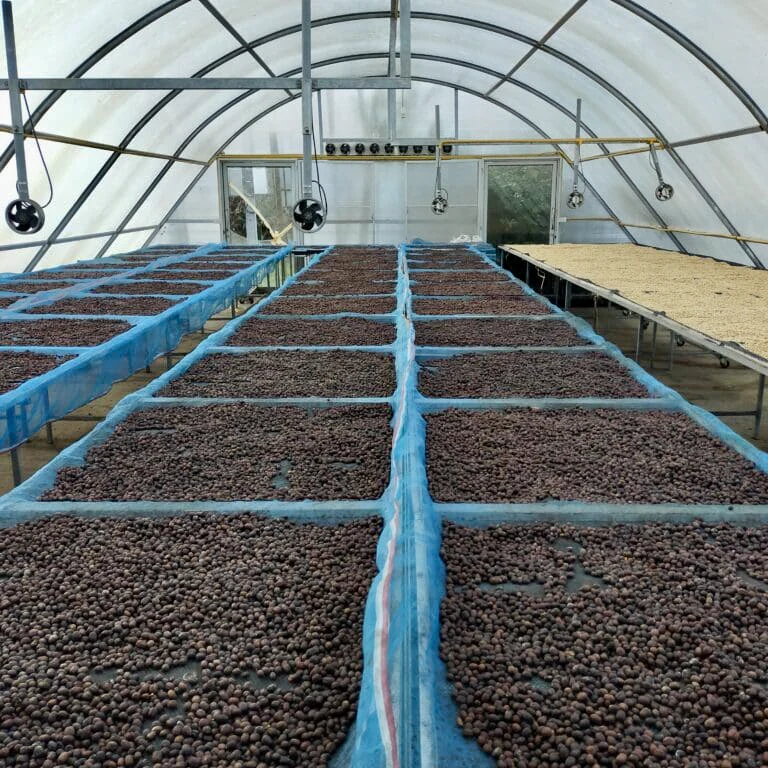
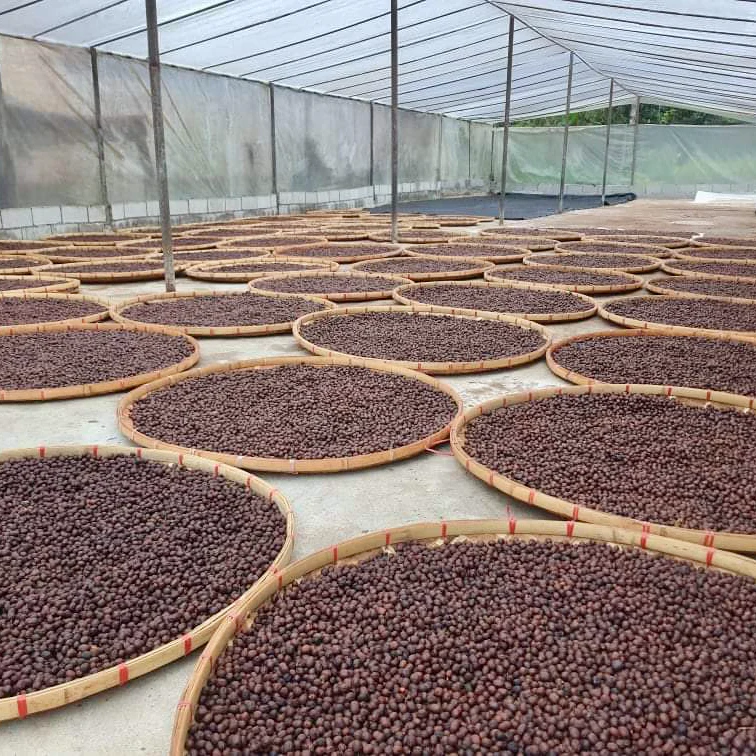
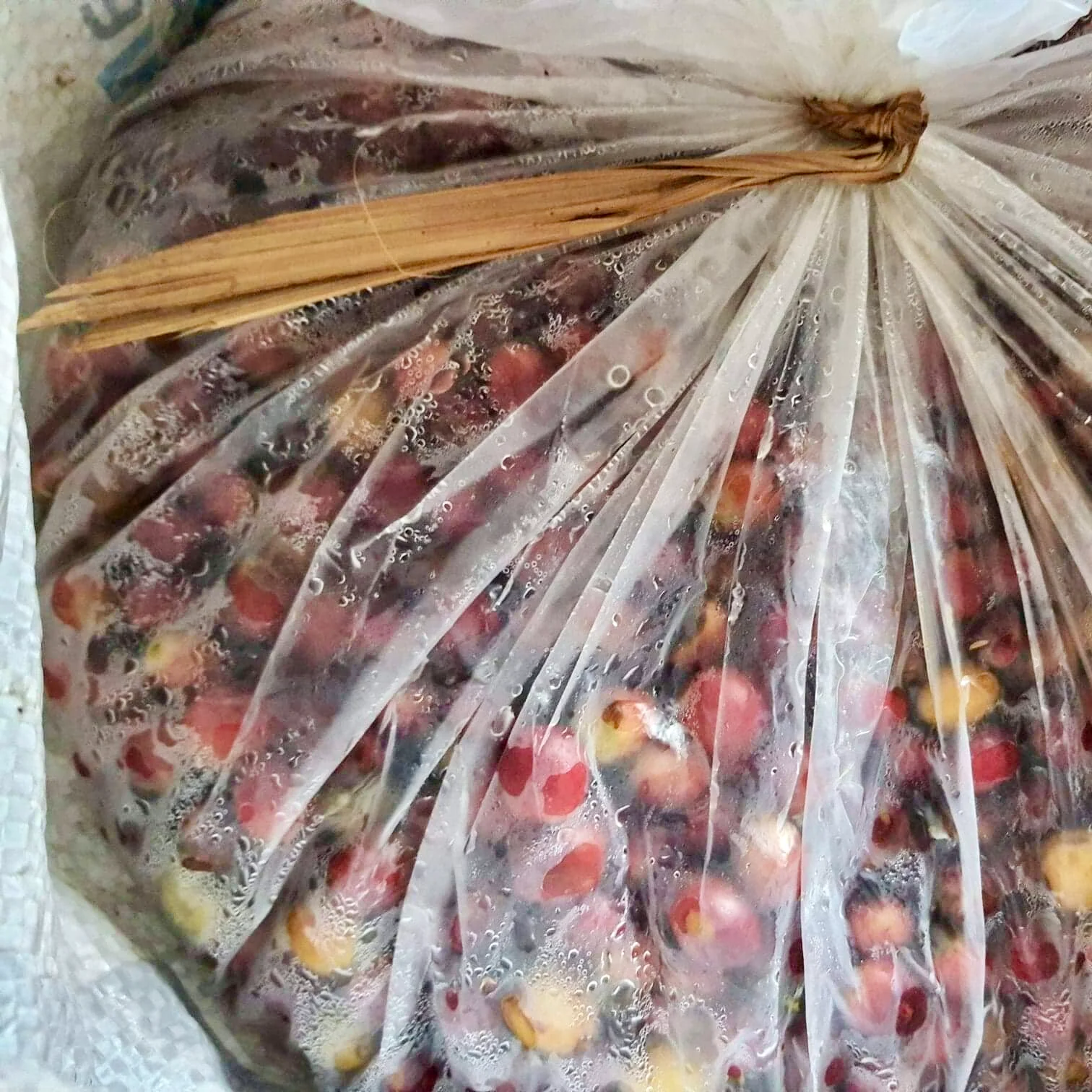
The cooperative comprises a group of exceptional coffee farmers, tending a total of 40 coffee trees over roughly 3 hectares of smallholdings in the remote mountainous region. The group have begun using local tea fermentation techniques, adapted for coffee production, in an innovative combination of tradition and modernity. Ripe coffee cherries are fermented anaerobically for nine days in sealed HDPE bags, creating a near oxygen-free environment. This extended fermentation encourages the production of lactic acid, contributing to a cup with wine-like acidity, rich body, and layered sweetness.
9 days is a very long time for anaerobic fermentation, this extended fermentation period is where the traditional tea production methods intersect with the burgeoning coffee industry. Managing such a long fermentation requires precision. Manipulating the other conditions (temperature, cherry sugars etc) allows the process to be slowed down, preventing the excessive or harsh fermented flavours that you’d otherwise find when exposing coffee to this length of fermentation time.
Last year was the first time that Mae Chedi exported their coffee internationally (only their third year producing!) and the first time we bought it. We’re so pleased to have their coffee back again this year. We’ve taken 2 lots this time, this Anaerobic Natural and a Washed version that you can find here.
As with last year’s Anaerobic Honey, this coffee really stood out on the blind cupping table. The processing is phenomenal, and so much better than you’d expect anyone to accomplish after only 3 years of producing specialty coffee. You get some of the oomph from the anaerobic fermentation but it’s still very clean and well balanced – a top-tier example of what can be attained with meticulous work. It’s especially notable that they’re achieving this with Chiang Mai, a Catimor varietal that’s primarily grown for its practicality. This is a success bred of harmony between innovation, well-managed processing, and making the best of what suits your environment. Producing great coffees that are distinctive and clearly express Thai terroir and uniqueness is something very exciting.
This is a fantastic example of younger people coming to farming (a rare occurrence for producers across the wider coffee world) and really moving the Thai coffee industry forward. It’s a country that we’ve been buying from for a while now, but we were really well ahead of the curve in that respect. It is only very recently that we’ve begun to see other importers starting to get serious about Thailand as an origin, with a slow uptick in competition for and attention to Thai coffees.
It is producers like Mai Chedi who are putting Thailand on the map, generating a new wave for the local coffee industry that is driven by young people who are looking to specialty coffee rather than commodity coffee. It’s very interesting and pleasing to see coffee production developing there in a way that can deliver for the people involved at origin as well as for those of us consuming the coffee abroad.
Traceability
- Country: Thailand
- Region: Mae Chedi, Chiang Rai
- Producers: Watchara Yawirach x Beanspire
- Cooperative size: 19 members
- Elevation: 1,250 m.a.s.l
- Variety: Chiang Mai
- Processing method: Anaerobic Natural
- Farming area: 3 hectares
- Trees: 40
Roast Information
Medium Dark - Don't go too fast or too slow, it needs to be developed enough without losing the fruit notes, and pushed through the gap but not into second.
Cupping Scores
Cupping Notes: Red cherry, plum, malt loaf.
Cup of Excellence Cupping Scores
- Clean Cup: 6.5/8
- Sweetness: 6.5/8
- Acidity: 6.5/8
- Mouthfeel: 6.5/8
- Flavour: 7/8
- Aftertaste: 6/8
- Balance: 6/8
- Overall: 7/8
- Correction: +36
- Total: 88/100
If you would like to find out more about how we score coffees, make sure to read our blog post "What Do Coffee Cuppings Scores Actually Mean?" by clicking here.
Recommended Resting Time
Our coffee is roasted fresh and ships quickly – which means it might arrive a little lively. Here's the thing: freshly roasted beans are still busy releasing carbon dioxide (a natural byproduct of roasting), and all that activity can make your brew taste a bit sharp or unsettled.
Give it a few days to calm down and something lovely happens. Those brighter, edgier notes mellow out, sweetness develops, and the flavours you're actually after can really come into focus.
We recommend resting your coffee for at least 5-7 days from the roast date on the bag before brewing. A little patience goes a long way.
That said, this is just what we've found works best – not a rule. If you can't wait, we completely understand. Tuck in whenever you like.
Original: $11.55
-70%$11.55
$3.47Product Information
Product Information
Shipping & Returns
Shipping & Returns
Description
Thailand: Mae Chedi, Anaerobic Natural
Silky smooth and full of red cherries up front, the cup shifts into brown sugar on the finish and after taste. As it begins to cool, dark plum notes join the cherry up front and the finish rounds out into rich malt loaf, with just a hint of allspice in the aftertaste.
Thailand produces around 8,000 tonnes of Arabica coffee annually, mostly in the northern regions of the country, and is the third-largest coffee producer in Asia. However, Thai specialty coffee remains rare on the global stage. That’s why we’re proud to partner with Beanspire to bring you coffees that are not only exceptional in quality but also relatively unfamiliar among UK coffee drinkers. When Fuadi Pitsuwan founded Beanspire in 2013, Thailand only exported 1% of its entire coffee production to the international market - that has risen to 10% today, thanks in part to his innovative and sustainability-driven work.
Chiang Rai is Thailand’s northernmost province, sandwiched between Laos in the east and Myanmar in the west. It forms part of the so-called Golden Triangle which, prior to the rise of agricultural production of coffee and fruit, was considered unsafe due to the prevalence of drug production and smuggling across the borders. Coffee farming in Thailand is a relatively new industry, with the first coffee trees introduced to the region in the 1970s for the opium eradication project initiated by the late King Rama IX. Successful efforts to reforest degraded land and replace illicit crops with coffee and other cultivations have led to thriving mountain farms.
At the heart of this story is Watchara Yawirach, a 36-year-old farmer and leader of a 19-member cooperative who is pioneering a new era of Thai specialty coffee. In the recent past, the Mae Chedi region was traditionally known for tea plantations, with tea being the area’s primary cash crop. The Chiang Mai coffee varietal is a local hybrid - a cross between SL28, Caturra, and Híbrido de Timor. It is a Catimor variant (similar to Colombia and Castillo) that has been backcrossed with SL28 to improve cup quality while maintaining resistance to coffee leaf rust. This cultivar is both resilient and high-performing, capable of producing exceptional flavour when grown and processed with care. With the recent rise in demand for specialty coffee, the younger generation of farmers in Mae Chedi have recognised the potential for profitability and begun taking coffee production more seriously.
The cooperative comprises a group of exceptional coffee farmers, tending a total of 40 coffee trees over roughly 3 hectares of smallholdings in the remote mountainous region. The group have begun using local tea fermentation techniques, adapted for coffee production, in an innovative combination of tradition and modernity. Ripe coffee cherries are fermented anaerobically for nine days in sealed HDPE bags, creating a near oxygen-free environment. This extended fermentation encourages the production of lactic acid, contributing to a cup with wine-like acidity, rich body, and layered sweetness.
9 days is a very long time for anaerobic fermentation, this extended fermentation period is where the traditional tea production methods intersect with the burgeoning coffee industry. Managing such a long fermentation requires precision. Manipulating the other conditions (temperature, cherry sugars etc) allows the process to be slowed down, preventing the excessive or harsh fermented flavours that you’d otherwise find when exposing coffee to this length of fermentation time.
Last year was the first time that Mae Chedi exported their coffee internationally (only their third year producing!) and the first time we bought it. We’re so pleased to have their coffee back again this year. We’ve taken 2 lots this time, this Anaerobic Natural and a Washed version that you can find here.
As with last year’s Anaerobic Honey, this coffee really stood out on the blind cupping table. The processing is phenomenal, and so much better than you’d expect anyone to accomplish after only 3 years of producing specialty coffee. You get some of the oomph from the anaerobic fermentation but it’s still very clean and well balanced – a top-tier example of what can be attained with meticulous work. It’s especially notable that they’re achieving this with Chiang Mai, a Catimor varietal that’s primarily grown for its practicality. This is a success bred of harmony between innovation, well-managed processing, and making the best of what suits your environment. Producing great coffees that are distinctive and clearly express Thai terroir and uniqueness is something very exciting.
This is a fantastic example of younger people coming to farming (a rare occurrence for producers across the wider coffee world) and really moving the Thai coffee industry forward. It’s a country that we’ve been buying from for a while now, but we were really well ahead of the curve in that respect. It is only very recently that we’ve begun to see other importers starting to get serious about Thailand as an origin, with a slow uptick in competition for and attention to Thai coffees.
It is producers like Mai Chedi who are putting Thailand on the map, generating a new wave for the local coffee industry that is driven by young people who are looking to specialty coffee rather than commodity coffee. It’s very interesting and pleasing to see coffee production developing there in a way that can deliver for the people involved at origin as well as for those of us consuming the coffee abroad.
Traceability
- Country: Thailand
- Region: Mae Chedi, Chiang Rai
- Producers: Watchara Yawirach x Beanspire
- Cooperative size: 19 members
- Elevation: 1,250 m.a.s.l
- Variety: Chiang Mai
- Processing method: Anaerobic Natural
- Farming area: 3 hectares
- Trees: 40
Roast Information
Medium Dark - Don't go too fast or too slow, it needs to be developed enough without losing the fruit notes, and pushed through the gap but not into second.
Cupping Scores
Cupping Notes: Red cherry, plum, malt loaf.
Cup of Excellence Cupping Scores
- Clean Cup: 6.5/8
- Sweetness: 6.5/8
- Acidity: 6.5/8
- Mouthfeel: 6.5/8
- Flavour: 7/8
- Aftertaste: 6/8
- Balance: 6/8
- Overall: 7/8
- Correction: +36
- Total: 88/100
If you would like to find out more about how we score coffees, make sure to read our blog post "What Do Coffee Cuppings Scores Actually Mean?" by clicking here.
Recommended Resting Time
Our coffee is roasted fresh and ships quickly – which means it might arrive a little lively. Here's the thing: freshly roasted beans are still busy releasing carbon dioxide (a natural byproduct of roasting), and all that activity can make your brew taste a bit sharp or unsettled.
Give it a few days to calm down and something lovely happens. Those brighter, edgier notes mellow out, sweetness develops, and the flavours you're actually after can really come into focus.
We recommend resting your coffee for at least 5-7 days from the roast date on the bag before brewing. A little patience goes a long way.
That said, this is just what we've found works best – not a rule. If you can't wait, we completely understand. Tuck in whenever you like.